Pasta sauce has gone bad if you can see mould on the surface or under the rim of the jar, if it smells sour, yeasty, or fermented rather than of tomato, if it fizzes or bubbles when you stir it, or if the lid is domed instead of flat. Sauce that is still good looks bright red, smells clean and slightly sweet, and sits under a lid that clicks the first time you open it.
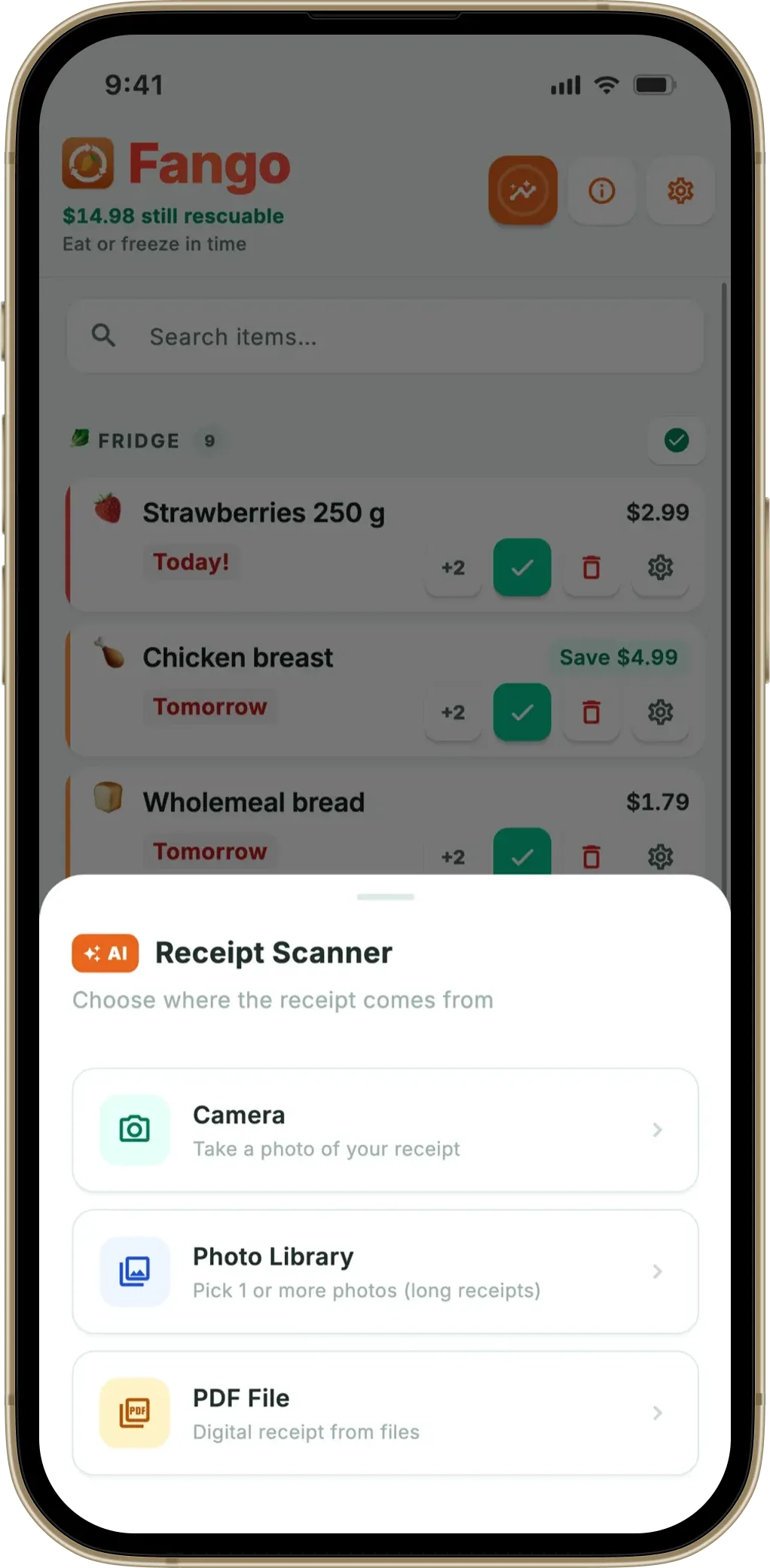
An opened jar is the classic half-forgotten item: you use a third of it on Monday and find it behind the milk two weeks later. Fango lets you log the jar the day you open it and get an expiry reminder before the window closes, so the rest of it ends up on pasta rather than in the bin.
- Mould — any fuzz, on the sauce or under the rim, means the whole jar goes
- Smell — sour, yeasty, or alcohol-like instead of tomato
- Fizz or a domed lid — gas from microbial growth; don’t taste it
- The clock — an opened jar keeps 5–7 days, homemade sauce 3–4
The Signs Pasta Sauce Has Gone Bad
Tomato sauce is acidic, which is exactly why it keeps as long as it does — and why the spoilage that does happen is usually easy to spot. Work through these three in order, and stop at the first one that answers your question.
For the household version of this problem — remembering the dates for everything you buy — see our guide to choosing an expiry date tracker.
-
1
Look — Any fuzzy spot, white, green, grey, or black, means the jar is finished. Check the rim and the underside of the lid too, because that is where mould starts on a jar that has been opened and put back with sauce on the thread. A darker ring where the sauce has dried at the rim is not mould, and neither is a little watery liquid separating on top — stir that back in.
-
2
Smell — Good sauce smells of tomato, herbs, and a little sweetness. Sour, yeasty, or faintly alcoholic is a sign that yeasts have started fermenting the sugars in the sauce. A sharp, vinegary edge on a jar that has been open for a week is the same story.
-
3
Pressure — On an unopened jar the lid should be slightly concave and give an audible click the first time you turn it. A domed lid, no click, or sauce that spurts and foams when the seal breaks all mean gas has built up inside. That jar goes in the bin without a taste test.
Why You Can’t Just Scoop the Mould Out
A jar of sauce is soft and full of water, and that is the whole problem. The USDA points out that mould you can see is only the part above the surface: the threads reach deep into soft, moist foods, and the same jar can also be carrying bacteria alongside the mould. With a hard cheese you can cut a generous margin around the spot. With sauce, soup, or yoghurt there is nothing to cut around.
If the fridge is where food gets lost, a fridge tracker app puts everything in it on one list with dates.
So the rule is simple, and it applies to the whole jar rather than the visible patch: if there is mould, the sauce goes. Do not lean in and sniff it either — disturbing mould sends spores into the air, which is the last thing you want if anyone in the house has asthma or an allergy.
Log the jar the day you open it and Fango reminds you before the 5–7 day window runs out. No sign-up, and your fridge data stays on your device by default.
Download on the App Store Get it on Google PlayFree for a month · No sign-up · iOS and Android
A Bulging Lid Is a Different Kind of Warning
Mould and a sour smell are quality problems that turn into safety problems. A swollen lid belongs in its own category, because gas inside a sealed jar means something has been growing in there. Shop-bought tomato sauce is acidic and heat-treated, so the risk is low — but home-canned sauce, especially a low-acid one with added meat, vegetables, or oil, is the classic setting for it.
The US Centers for Disease Control and Prevention is blunt about home-canned food, and its list of contamination signs is short: the container is leaking, bulging, or swollen; it looks damaged, cracked, or abnormal; it spurts liquid or foam when opened; or the food is discoloured, mouldy, or smells bad. The reason not to check by tasting is that you cannot see, smell, or taste the toxin that causes botulism — so when in doubt, throw it out and clean any surface the sauce touched.
- A lid that domes upwards or does not click when first opened
- Sauce that sprays, foams, or fizzes as the seal breaks
- A jar that has leaked or has a crack around the rim
- Home-canned sauce stored at room temperature for longer than the recipe allowed
Real Sign or Harmless? A Quick Reference
The situations that cause the most doubt in front of an open fridge, with the short verdict on each.
That last one is worth knowing in full, because jars of sauce carry a best before date rather than a use-by date. As the UK Food Standards Agency explains, best before is about quality and use by is the safety deadline. An unopened jar a month past its best before is usually fine; the day you open it, the clock that matters becomes the one in your fridge. We covered the difference in best before vs use by dates.
What Happens If You Eat Spoiled Pasta Sauce
Eating sauce that has turned can cause food poisoning: nausea, stomach cramps, vomiting, and diarrhoea, often within a few hours. The NHS advises rest and plenty of fluids, and most people are over it in a few days at home. Get medical advice if the symptoms are severe, you cannot keep fluids down, or they are not improving — and take extra care with young children, older adults, pregnant women, and anyone with a weakened immune system.
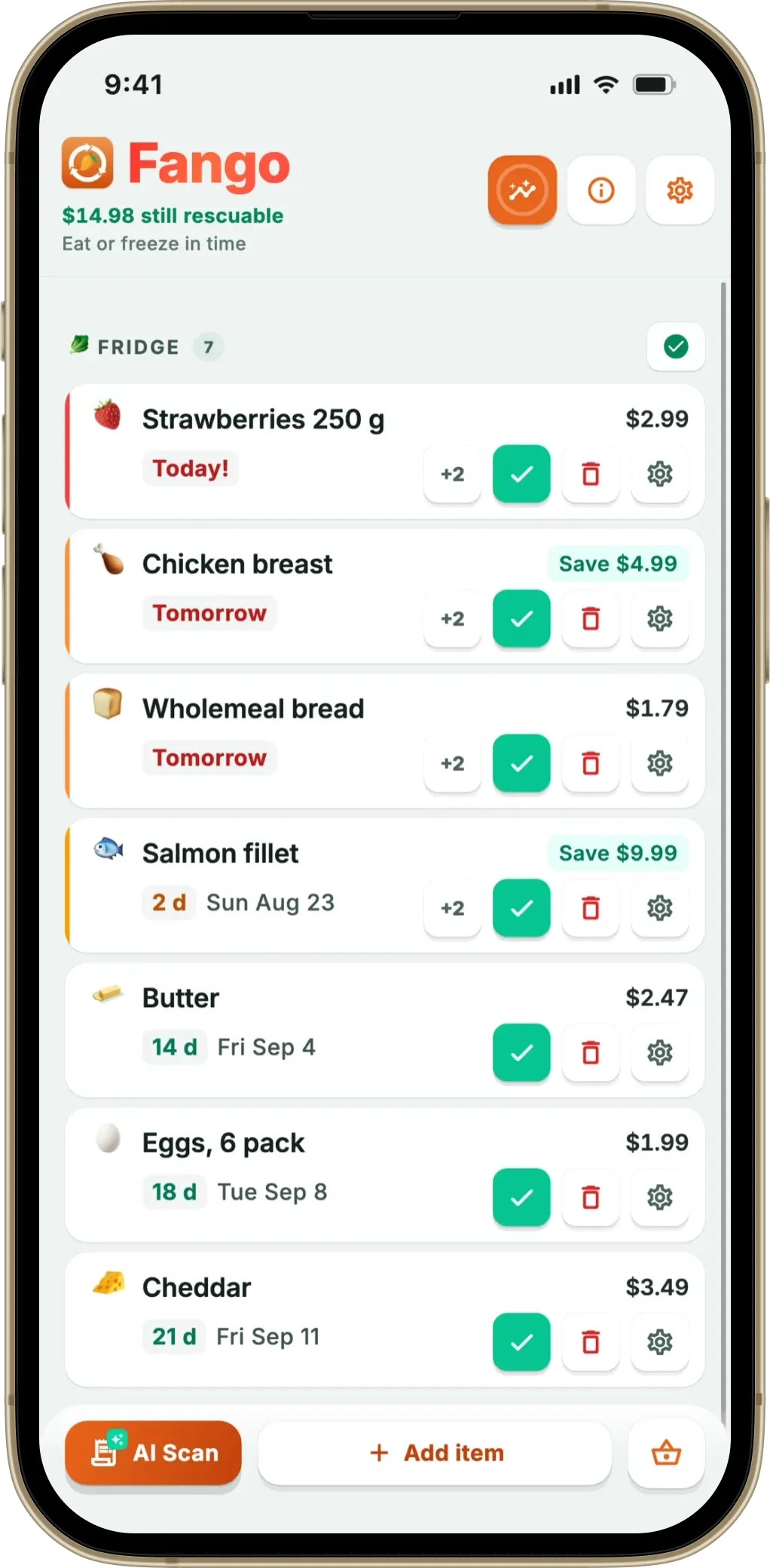
Fango sorts everything by reminder date and marks the urgent items in red. The home screen widget shows what to use next without opening the app.
Download on the App Store Get it on Google PlayFree for a month · No sign-up · iOS and Android
How to Stop Wasting Half-Used Jars
Most sauce that gets binned was perfectly good three days earlier. The jar is just easy to lose behind everything else, and nothing on it tells you when you opened it.
-
1
Write the date on the lid. One line with a marker turns “sometime last week” into a number you can act on. The window is 5–7 days for a jar and 3–4 for homemade — see how long pasta sauce lasts for the full breakdown by type.
-
2
Keep it on a shelf, not in the door. The door is the warmest part of the fridge. Store the jar at 0–5°C on a proper shelf and wipe the rim before closing it, so nothing is left for mould to start on.
-
3
Freeze the leftovers on day two. Tomato-based sauce freezes well for around 3 months. Portion it into a tub or an ice cube tray while it is still clearly good, not on day six when you are already unsure.
- 4
Related reading: How Long Food Lasts in the Fridge.
Frequently Asked Questions
How can you tell if pasta sauce is bad?
Bad pasta sauce shows mould on the surface or under the rim, smells sour, yeasty, or fermented instead of like tomato, fizzes or bubbles when you stir it, or sits under a bulging lid. Fresh sauce smells clean and slightly sweet and looks bright red.
Does pasta sauce go bad in the fridge?
Yes. An opened jar of tomato-based sauce keeps about 5–7 days in the fridge at 0–5°C, and homemade or cream-based sauce about 3–4 days. Cold slows spoilage down, it does not stop it.
Can you scrape the mould off pasta sauce and eat the rest?
No. Sauce is a high-moisture food, so mould threads spread through it well beyond the spot you can see. Food safety guidance is to discard soft and liquid foods with any visible mould rather than scoop the mould out.
How long does opened pasta sauce last?
About 5–7 days for an opened jar of tomato sauce and 3–4 days for homemade or cream-based sauce, kept in the fridge. Tomato-based sauce also freezes well for around 3 months if you will not finish it in time.
Is a bulging jar lid dangerous?
Treat it as a stop sign. A domed or bulging lid, a jar that sprays when opened, or a lid that does not click on first opening all suggest gas from microbial growth. Do not taste it to check — discard the jar unopened if you can.
What happens if you eat spoiled pasta sauce?
It can cause food poisoning, with nausea, stomach cramps, vomiting, and diarrhoea within a few hours. Most people recover at home with rest and fluids, but get medical advice if symptoms are severe or do not improve.
The habit that fixes this for good is small: log the jar the day you open it and let the reminder do the remembering. If you want to see how that compares with the other options first, we went through them in our roundup of the best food expiration reminder apps.